News
Cora is officially HIPAA compliant — your patients' data is always protected
Cora has earned the APA Silver badge, recognized for advancing mental health care standards.
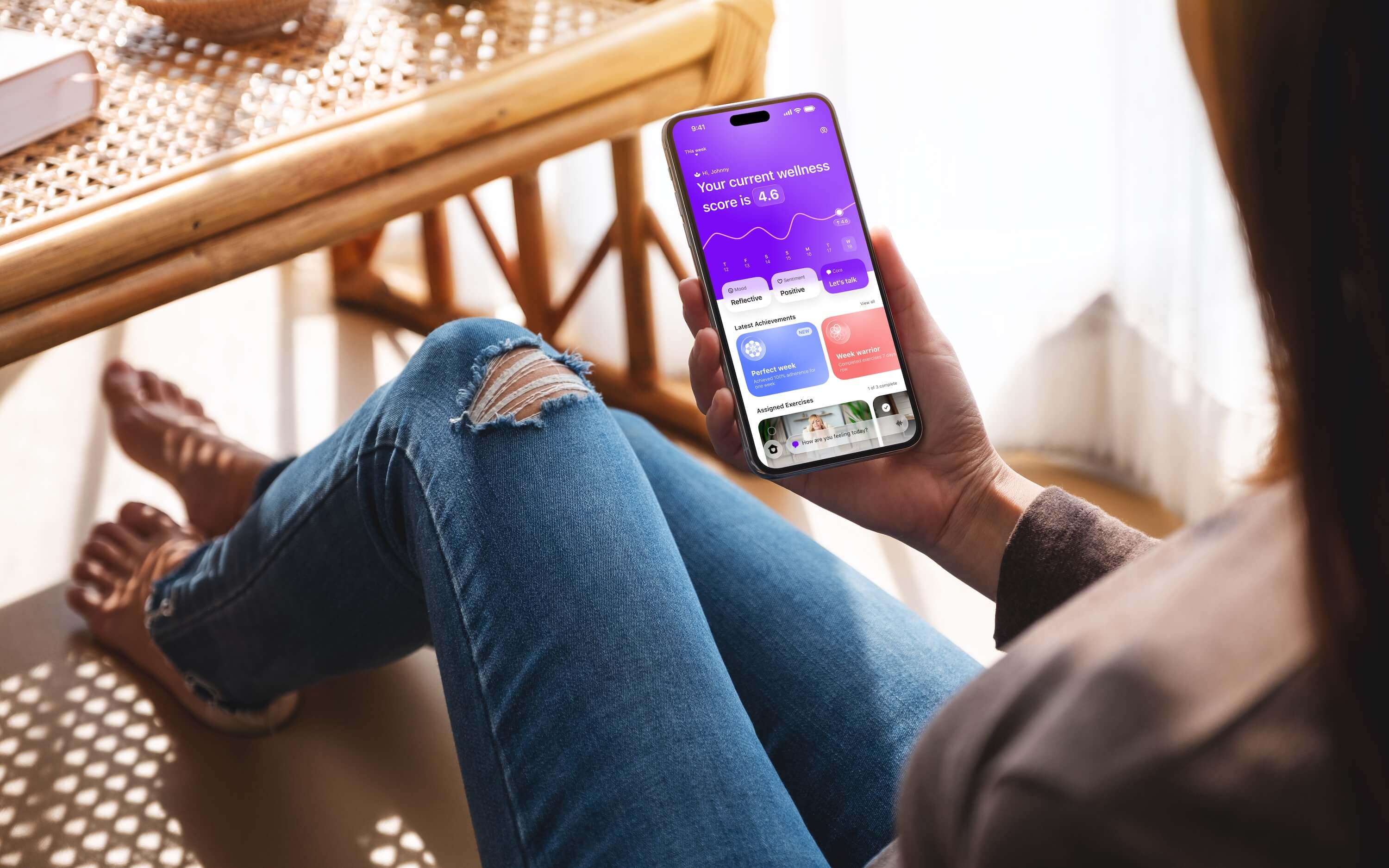
The growth engine for providers
Unlock new revenue by billing for between-session treatment.
What we do
Unlock new revenue
What we do
Unlock new revenue
Get over $1 million per year*
Bill for between-session treatment
Providers generate incremental revenue by billing RTM codes for patients' between-session app usage, making remote therapeutic support a structured, reimbursable service.
Sole Practitioner
$60K
new revenue annually
25 patients
$200
Group practice
$960K
new revenue annually
400 patients
$200
Regional Chain
$9.3M
new revenue annually
3,900 patients
$200
National Chain
$24M
new revenue annually
10,000 patients
$200
Sole Practitioner
$60K
new revenue annually
25 patients
$200
Group practice
$960K
new revenue annually
400 patients
$200
Regional Chain
$9.3M
new revenue annually
3,900 patients
$200
National Chain
$24M
new revenue annually
10,000 patients
$200
Get over $1 million per year*
Bill for between-session treatment
Providers generate incremental revenue by billing RTM codes for patients' between-session app usage, making remote therapeutic support a structured, reimbursable service.
Sole Practitioner
$60K
new revenue annually
25 patients
$200
Group practice
$960K
new revenue annually
400 patients
$200
Regional Chain
$9.3M
new revenue annually
3,900 patients
$200
National Chain
$24M
new revenue annually
10,000 patients
$200
*Revenue potential depends on payer and clinical model.
Process
How it works

Dr. Mitchell
to: Kate Taylor
Just now
Welcome to Cora!
Hey Kate,
I'm excited to invite you to use Cora, your new digital companion for homework help and 24/7 support.
You can download the app here.
I hope you find Cora helpful, and I'm here to support you along the way.
Best,
Dr. Mitchell
Invite your clients to download the app
When you invite a client, they'll be sent a unique link that, when used to download the app, binds their account to your practice.
Prescribe between-session treatment
Create a treatment plan for your clients to follow between sessions. They will be able to interact with Cora for daily check-ins, exercises, and evidence-based guidance—anytime, anywhere.
Patients get care & support between sessions
Patients get care & support between sessions
Providers see better patient outcomes
Providers see better patient outcomes
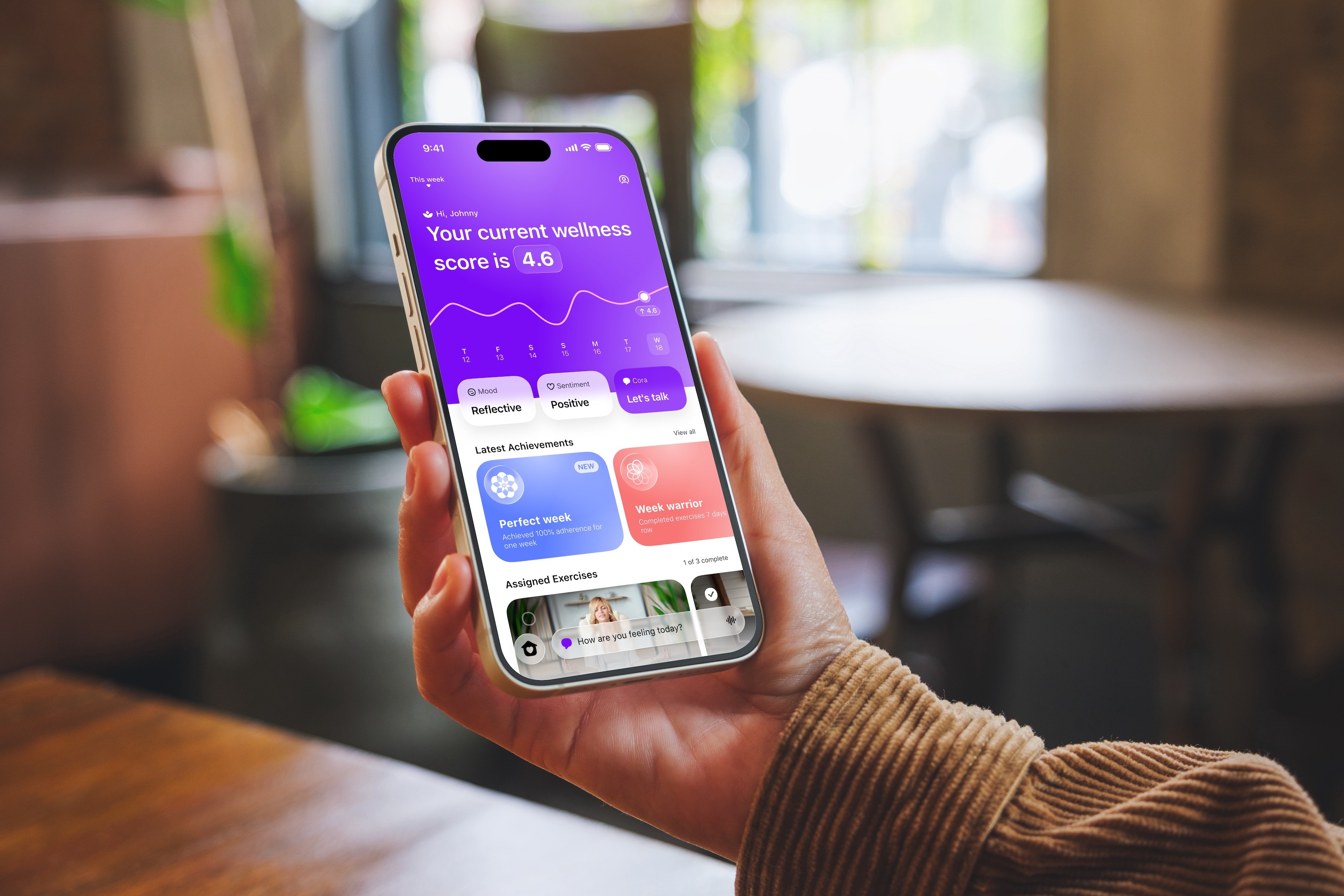

Receive insights into clients' mental health
Therapists receive actionable insights and weekly summaries to tailor care and maximize outcomes.
Spend less time gathering between-session progress
Spend less time gathering between-session progress
Spend more time on what matters most
Spend more time on what matters most
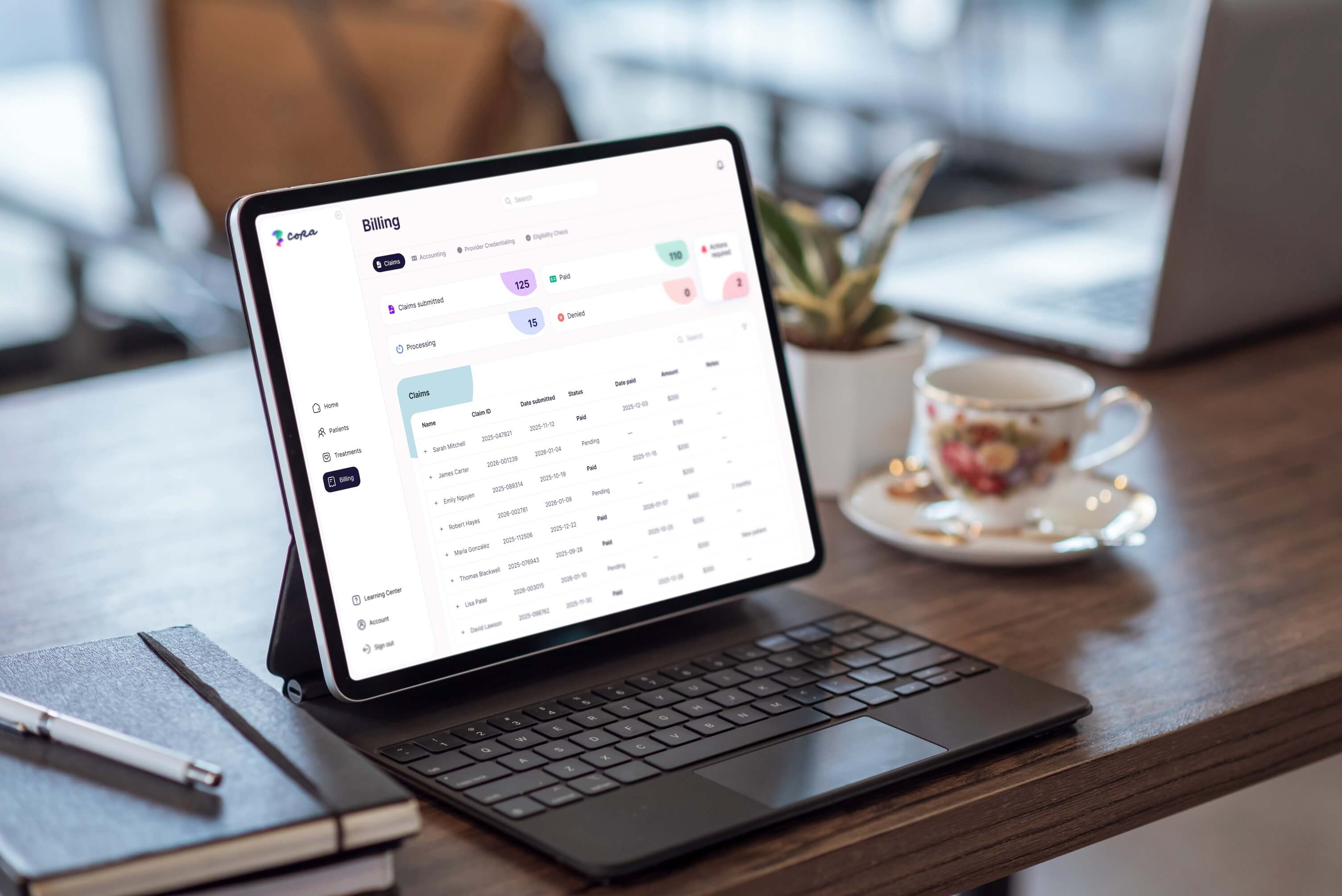
Bill up to $200 per client each month
Cora unlocks the ability to bill RTM codes by converting app usage to covered, between-session treatment.
No additional work
No additional work
Everything is automated, including insurance documentation.
Everything is automated, including insurance documentation.
FAQs
Getting Started & Eligibility
Clinical Use & Workflow
Safety, Clinical Boundaries & Data
Pricing, Billing & Insurance
Practice Management & Scale
Getting Started & Eligibility
Who is Cora for?
Cora is for licensed clinicians, group practices, and clinics that want structured support between sessions—better adherence, more engaged patients, and less manual admin work.
I’m a solo provider with just a few clients. Can I still use Cora?
Yes. Cora works for solo practitioners as well as large clinics and hospitals. Smaller practices can start with a low-volume plan and scale up as more clients enroll.
What does onboarding look like for my practice?
Your team gets a short onboarding session where we configure your protocols, exercises, and handouts in Cora, set up dashboards, and create your unique QR/link for patient enrollment. Most practices begin inviting patients the same week they sign up.
Does Cora replace my existing EHR or systems?
No. Cora is an extension of your care, focused on betweensession engagement, monitoring, and automation. You can export summaries/notes into your existing EHR and integrate where supported, without changing your core record system.
Clinical Use & Workflow
How do therapists actually use Cora with patients?
Therapists prescribe Cora as part of the treatment plan, select or customize exercises and protocols, and then review adherence and mood data before or during sessions. Cora handles daily checkins, reminders, and guided exercises between visits.
How often and how long should patients use Cora?
Most clinics encourage patients to interact with Cora several times per week—brief checkins, journaling, and exercises that typically take 5–15 minutes. Specific frequency can follow your protocol (for example, 2–15 days per month to align with reimbursement requirements).
What if my patient doesn’t like apps or isn't tech savvy?
Cora is designed to be simple: scan a QR code, download, and respond to clear prompts. You can start with very small steps (e.g., one checkin per week) and build up only if it feels helpful. Cora is optional and always under your clinical judgment.
What if my patient doesn’t use Cora regularly?
You’ll see engagement data on your dashboard. If usage drops, you can discuss barriers in session, adjust the plan (shorter exercises, fewer prompts), or pause Cora for that patient. The goal is to support—not pressure—clients.
Safety, Clinical Boundaries & Data
Does Cora replace therapy or crisis services?
No. Cora never replaces a licensed clinician or emergency services. It provides structured, evidence-informed support between sessions and can flag concerning patterns for followup, but crisis protocols and clinical decisions remain with you and your team.
How does Cora handle risk or crisis signals?
Cora can monitor mood trends, language patterns, and engagement to surface potential risk indicators and notify providers according to your clinic’s configuration. It also encourages patients to follow your safety plan and directs them to crisis resources when needed.
Is Cora HIPAA compliant? How is data stored?
Yes. Cora is built to meet HIPAA requirements. Data is encrypted in transit and at rest and stored on secure cloud infrastructure. Only authorized members of your care team can view identified patient data.
Does Cora use my patients’ data to train AI models?
No. Cora does not use clientidentifiable data to train foundation models. Data is used to personalize each patient’s experience and to generate analytics for your clinic in line with our privacy policy, but not to train external models.
Pricing, Billing & Insurance
How much will Cora cost my practice?
Cora offers tiered pricing based on the number of active patients and providers. There are no hidden fees. Plans are designed so you can scale without unpredictable costs. Our team can provide a simple costperpatient estimate for your size of clinic.
Can Cora be billed to insurance?
Yes. Cora is designed to support use of remote mental health / between-session care codes where applicable. Clinics typically bill under existing remote service or care management CPT codes when patients meet usage and clinical criteria. We provide guidance, but final coding decisions remain with your billing team.
What if my patient doesn’t have insurance or is out-of-network?
You can still offer Cora as part of your selfpay or membership model. Some clinics bundle Cora access into their monthly program fees, sliding scales, or value-based contracts, independent of insurance reimbursement.
Practice Management & Scale
Can I use Cora across multiple locations or service lines?
Yes. Cora supports multisite, multiprogram configurations (e.g., outpatient, IOP, PHP, post-discharge), with shared protocols and centralized reporting while allowing each team to manage its own caseload.
How does Cora help with burnout and admin load?
Cora automates routine patient messages, checkins, and homework tracking, and aggregates data into concise summaries. That means fewer after hour emails, less manual note review, and more time in session — key drivers of burnout reduction.
What reporting and analytics do we get?
Clinics can see patient-level and program-level trends — engagement, adherence, symptom trajectories, and risk alerts. Plus, aggregate insights useful for quality improvement, contracts, and valuebased care initiatives.
Who do we contact for support and training?
Your subscription includes access to implementation support, training sessions for new staff, and ongoing product support. Our team can help you configure protocols, troubleshoot issues, and optimize how you use Cora across your organization.

Transform your practice
Get Cora today
69%
Improvement in patient engagement
Cora helps keep more patients engaged in care, reducing drop-off and improving continuity.
80%
Increase in homework compliance
Smart reminders, guided steps, and engaging interface boost homework completion and help patients make real progress between sessions.
50%
Improvement in outcomes per visit
AI support leads to significant improvements in patient progress and satisfaction.
69%
Improvement in patient engagement
Cora helps keep more patients engaged in care, reducing drop-off and improving continuity.
80%
Increase in homework compliance
Smart reminders, guided steps, and engaging interface boost homework completion and help patients make real progress between sessions.
50%
Improvement in outcomes per visit
AI support leads to significant improvements in patient progress and satisfaction.
Transform your practice
Get Cora today
69%
Improvement in patient engagement
Cora helps keep more patients engaged in care, reducing drop-off and improving continuity.
80%
Increase in homework compliance
Smart reminders, guided steps, and engaging interface boost homework completion and help patients make real progress between sessions.
50%
Improvement in outcomes per visit
AI support leads to significant improvements in patient progress and satisfaction.
69%
Improvement in patient engagement
Cora helps keep more patients engaged in care, reducing drop-off and improving continuity.
80%
Increase in homework compliance
Smart reminders, guided steps, and engaging interface boost homework completion and help patients make real progress between sessions.
50%
Improvement in outcomes per visit
AI support leads to significant improvements in patient progress and satisfaction.